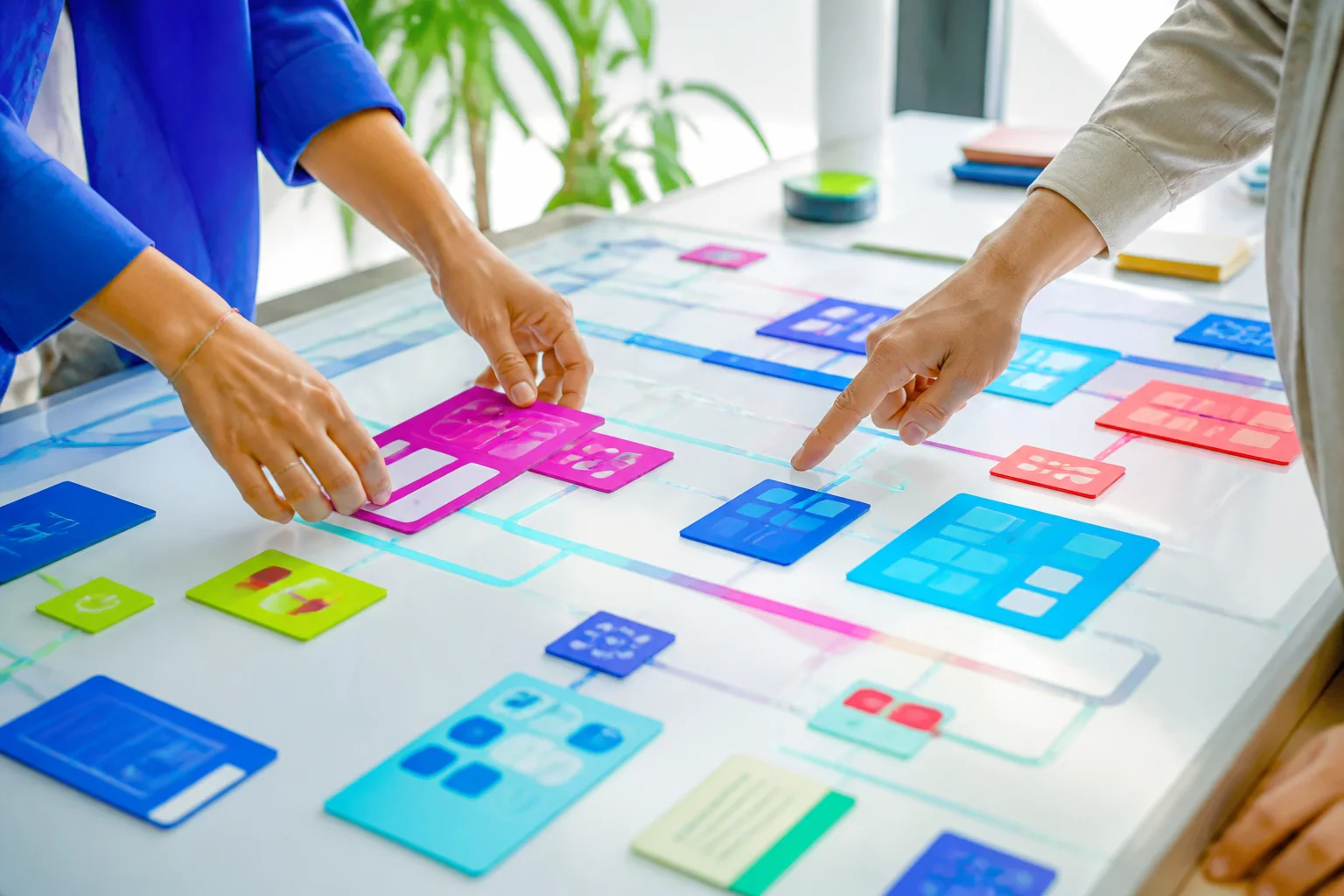

Figma’s Workflow Lab explores moving between design and code with agents, with context keeping the canvas and implementation aligned. That framing matters: generation is easy to demonstrate, but a production workflow is judged by whether the result still uses the team’s components, constraints and review process.
Start with production context, not a screenshot
Give the agent the intended component, content state, breakpoint rules and relevant repository conventions. A polished frame can still omit loading, validation, permissions and empty states. Context should define what must remain true, not simply what the first screen looks like.
Make the handoff bidirectional
Design should inform code, but implementation discoveries should also return to the canvas. Record changes caused by browser behaviour, existing APIs or accessibility requirements. Otherwise the design file becomes an outdated promise immediately after generation.
- Name the source component or token where one exists.
- Include responsive, focus, error and loading behaviour.
- Separate generated proposals from approved production changes.
- Require a human review for visual and technical fit.
- Return implementation constraints to the shared design context.
Use measurable review gates
Figma has separately reported that Code Connect context can improve agent outcomes and reduce token use. Teams should still test the claim in their own system: compare component reuse, accessibility defects, review time and rework against the previous workflow rather than counting generated screens.
Keep ownership visible
An agent can propose a change, but the team should know who approves design intent, code quality and release readiness. Small explicit gates preserve speed without making accountability ambiguous.
If the difficult part of your project is preserving interface quality through responsive frontend implementation, my service page explains how I approach that boundary. Website design and frontend development
The best agent handoff is not a one-way export. It is a traceable conversation between intent, constraints and working software.